
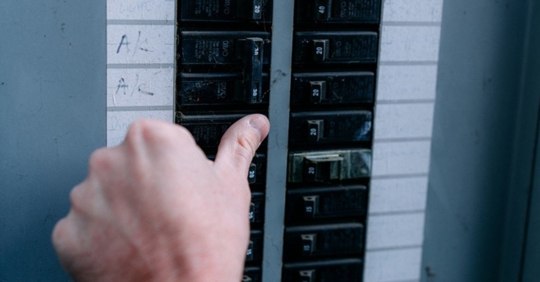
An overloaded circuit occurs when more electrical current flows through a circuit than it can safely handle. This commonly happens when multiple high-demand appliances run simultaneously on the same circuit, causing the breaker to trip and cut power. Imagine a busy street overwhelmed with too many cars—eventually, traffic comes to a standstill. Similarly, circuits shut down to prevent damage or fire hazards.
To prevent overloads, calculate the total wattage of devices on a circuit and ensure it does not exceed 80% of the circuit’s ampere rating. Additionally:
- Redistribute appliances across different circuits
- Install dedicated circuits for high-demand appliances like air conditioners or refrigerators
- Avoid running several large devices simultaneously
Being aware of your household’s energy usage and proactively managing circuits can improve electrical efficiency and prevent repeated trips, ensuring a safer and more reliable system.
Short Circuits: Detecting Wiring Problems
Short circuits occur when electricity takes an unintended path, causing the breaker to trip immediately. Warning signs include burning smells, scorched outlets, or discolored switches. Short circuits often result from damaged wiring, loose connections, or compromised insulation, making regular inspections essential.
Homeowners can use tools like multimeters or circuit testers to identify potential short circuits safely. Test for continuity in outlets or wires after shutting off the power to the area. Always prioritize safety—if you’re unsure, a licensed electrician should handle inspections and repairs. Promptly addressing short circuits prevents appliance damage and reduces the risk of fire.
Ground Faults: Preventing Dangerous Electrical Paths
Ground faults occur when electricity flows outside its intended path, often through a wet or conductive surface. This can result in shocks, fires, or appliance damage. Ground faults differ from short circuits because the current deviates toward the ground rather than staying within the wiring path.
To reduce risk:
- Install GFCI outlets in areas prone to moisture, such as kitchens and bathrooms
- Test GFCIs regularly using the test and reset buttons
- Replace malfunctioning GFCIs immediately
These precautions safeguard both people and property from dangerous electrical hazards.
Common Symptoms and Warning Signs
Frequent Tripping: Identifying Patterns
Repeated breaker trips can signal ongoing issues like circuit overloads, short circuits, or ground faults. Keep track of when trips occur—for instance, during heavy appliance use or peak energy times. This information helps identify the root cause and guides corrective actions.
Practical steps to minimize trips include:
- Unplugging unused devices
- Redistributing appliances across circuits
- Consulting an electrician if problems persist
By recognizing patterns, you can prevent future electrical failures and maintain a stable power supply.
Dimming or Flickering Lights: Early Warning Signs
Dimming or flickering lights often indicate voltage fluctuations within your home’s electrical system. These issues may stem from overloaded circuits or outdated wiring. Persistent fluctuations can shorten bulb life and increase fire risk.
Solutions include:
- Redistributing electrical loads
- Upgrading to energy-efficient lighting
- Inspecting or replacing aging wiring
Taking action early protects both your home and your devices.
Hot Outlets or Switches: Detecting Overheating
Warm or hot outlets and switches are signs of potential overheating caused by loose connections, faulty wiring, or overdrawn circuits. Ignoring these warning signs can escalate to serious hazards, including fires.
To address overheating:
- Unplug devices to relieve circuit load
- Consult a licensed electrician for repairs or replacements
- Inspect appliances for signs of overuse
Prompt attention to hot outlets ensures long-term electrical safety and reliability.
Solutions and Troubleshooting Techniques
DIY Troubleshooting: Safe Practices at Home
Basic electrical troubleshooting can be done safely with the right precautions. Always turn off power at the circuit breaker before touching wires or outlets, and use insulated gloves, multimeters, or voltage testers. Start with simple checks, such as:
- Inspecting visible wiring for wear or damage
- Tightening loose screws on switches or outlets
- Testing outlets with a lamp or tester
For complex issues, contacting a professional ensures both safety and effective repair.
When to Upgrade Electrical Systems
A home’s electrical system may need upgrades if you notice:
- Buzzing or warm electrical panels
- Outdated two-pronged outlets
- Frequent breaker trips
- Aging cables with exposed insulation
Professional inspections identify areas needing attention, from outdated panels to insufficient capacity. Upgrading ensures your electrical system can safely support modern appliances and technology.
Regular Maintenance: Ensuring Long-Term Safety
Routine maintenance helps prevent emergencies and extends the life of your electrical system. Include checks such as:
- Testing smoke detectors and GFCIs
- Inspecting visible wiring for damage
- Evaluating circuit breaker performance
Professional annual inspections catch hidden issues and keep systems compliant with evolving safety standards, protecting both your home and family.
Safety Considerations
Importance of Safety Gear
Electrical work requires protective gear to prevent injury. Essential items include:
- Insulated gloves
- Safety goggles
- Non-conductive mats
- First-aid supplies for minor shocks or burns
Using proper gear ensures safe handling of electrical components and reduces risk during DIY projects.
Code Compliance: Staying Safe and Legal
Adhering to electrical codes protects your home and ensures insurance coverage. Qualified electricians help identify and correct code violations, such as:
- Improper grounding
- Outdated panels
- Non-compliant installations
Regular reviews maintain safety and legal compliance, avoiding costly penalties and hazards.
Handling Electrical Fires
In the event of an electrical fire:
- Call emergency services first
- Evacuate the area immediately
- Use a Class C fire extinguisher if safe
- Shut off power to the affected circuit
Planning and preventive maintenance minimize risk and prepare your household for emergencies.
For All Your Outlet Needs, Contact Mel Carr Electric
If you’re dealing with persistent electrical issues or want guidance on maintaining your home’s systems, our team at Mel Carr Electric is ready to help. Our licensed electricians provide safe, reliable solutions for circuit breakers and more. Ensure your home stays safe, efficient, and powered up—contact Mel Carr Electric today.
Call Mel Carr Electric now at (518) 500-3042 or send us a message online.